
DDP vs DDU Explained: Which Shipping Option Is Right for International Shipments?
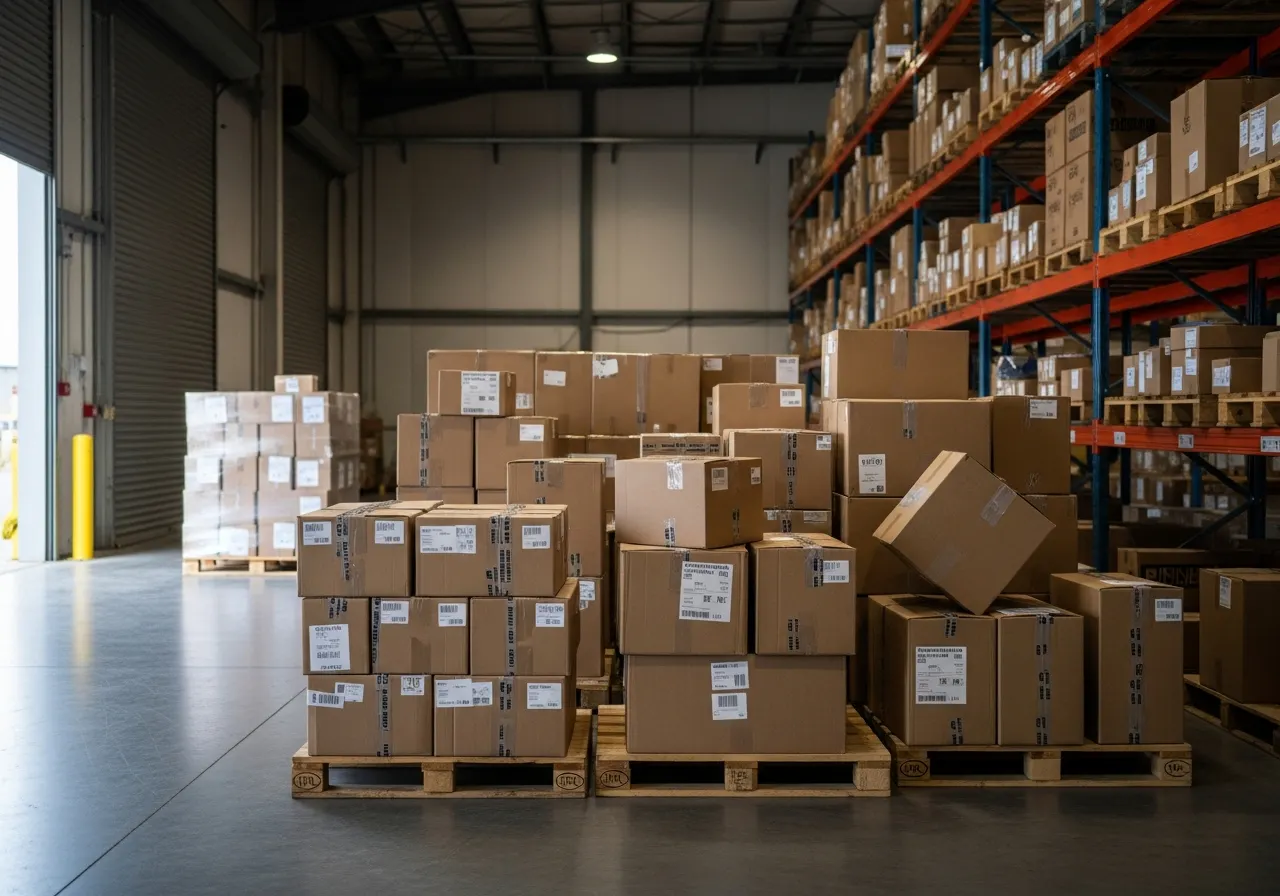
Learn how DDP and DDU shipping work, compare customs duties and delivery time, and choose the best option for your international shipments from the U.S.
When shopping from U.S. stores and shipping internationally, choosing the right delivery method can mean the difference between a smooth experience and a frustrating one. One of the most important decisions you'll face is between Delivered Duty Paid (DDP) and Delivered Duty Unpaid (DDU).
These two shipping terms define who is responsible for customs clearance, duties, and taxes — and how your package will be handled at the border. In this guide, we’ll break down the difference between DDP vs DDU, and walk you through a real example to help you decide which method works best for you.
Delivered Duty Paid (DDP): All-Inclusive, No Surprises
With DDP, the shipper handles every aspect of the shipment — including international shipping, import duties, and customs clearance — and ensures that the package is delivered to your door without requiring any further action on your part.
✅ Key Features of DDP:
- Duties, taxes, and customs clearance are paid by the shipper.
- The buyer doesn't have to interact with customs.
- Delivery is faster, smoother, and more predictable.
- Ideal for high-value shipments or time-sensitive deliveries.
⚠️ Keep in Mind:
- The upfront shipping cost may be higher, as all fees are included.
- Some countries may restrict third-party payment of import duties.
Delivered Duty Unpaid (DDU): Lower Cost, More Buyer Responsibility
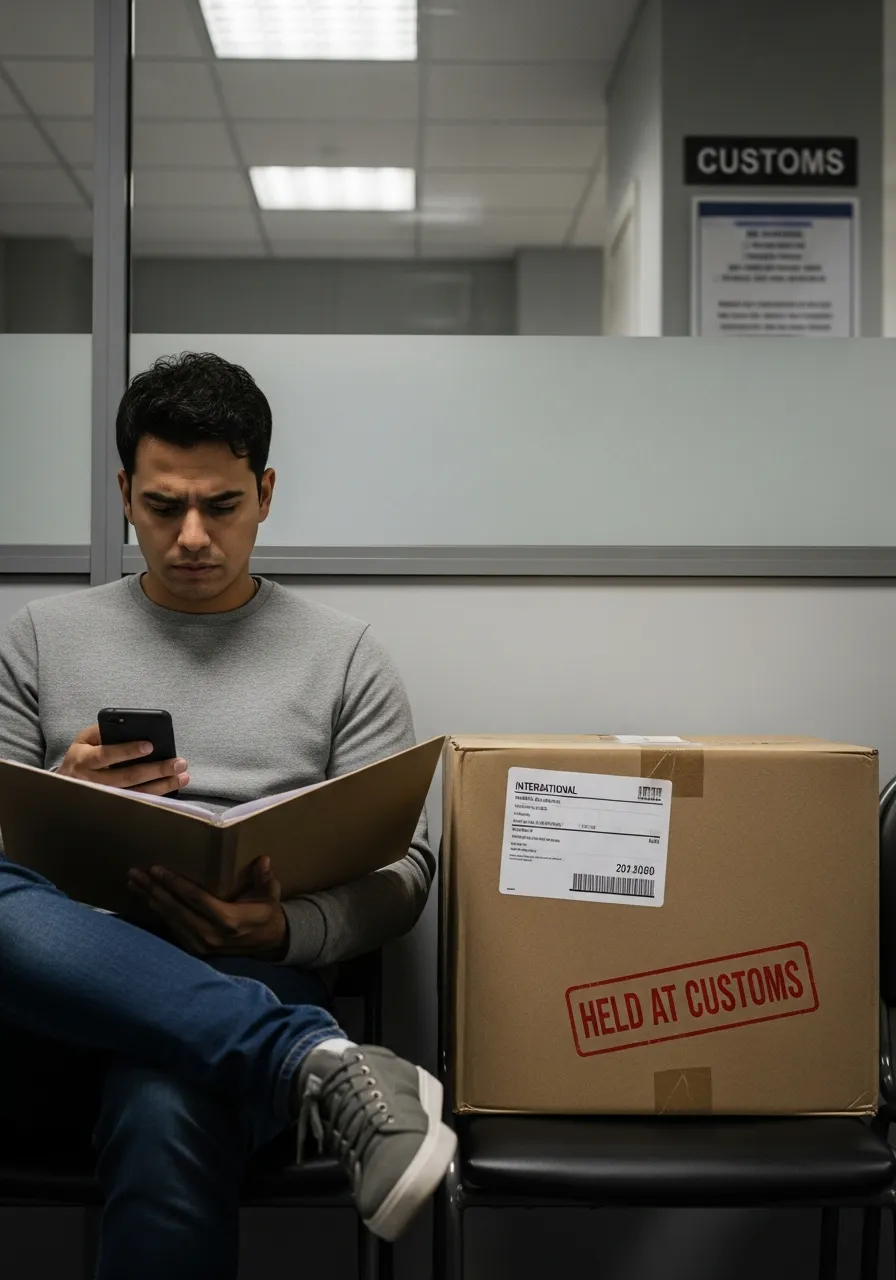
With DDU, the shipper sends the package without covering import duties or taxes. When the package reaches the destination country, the buyer is contacted by customs or the local courier and must pay all applicable fees before the shipment is released.
✅ Key Features of DDU:
- Lower initial shipping cost.
- The buyer takes responsibility for paying VAT, import duties, and clearance.
- Can be suitable for buyers familiar with local customs procedures.
⚠️ Risks with DDU:
- Unpredictable final cost (duties, courier fees, VAT).
- Delivery delays if duties aren’t paid promptly.
- Some couriers charge handling fees for customs processing.

Real-Life Example: Shipping $450 Worth of Clothing to the United Kingdom
Let’s explore how DDP vs DDU works in practice, using a real-world scenario:
- Destination: United Kingdom (UK)
- Item Type: Clothing (non-luxury, casual wear)
- Package Value (Declared): $450 USD
- Shipping Weight: ~3.5 kg (standard clothing parcel)
📨 Scenario A: Shipping with DDP (Delivered Duty Paid)
When the package is shipped using DDP, the shipper handles all customs declarations and pays any duties and VAT on behalf of the buyer.
In the UK, clothing imports from outside the UK are subject to:
- 20% VAT (calculated on the value + shipping + duty)
- 12% import duty (average for textile products)
Estimated Charges;
Description | Amount |
|---|---|
Declared value | $450 |
Import duty (12%) | $54 |
Shipping (est.) | $50 |
VAT (20% of subtotal) | $110 |
Total Duties & Taxes | $164 |
Scenario B: Shipping with DDU (Delivered Duty Unpaid)
With DDU, the package is sent to the UK without customs duties or taxes paid in advance. Once it arrives:
- UK Border Force or the courier (e.g., DHL, UPS) assesses the charges.
- The buyer is contacted and must pay import duty, VAT, and a courier handling fee before the package is released.
What the buyer pays upon arrival:
Description | Amount |
|---|---|
Import duty (12%) | $54 |
Shipping (est.) | $110 |
VAT (20% of subtotal) | $15-$25 (varies) |
Total Duties & Taxes | $180 - $190 |
In a DDU shipment:
- The buyer is responsible for paying customs charges.
- Delivery is delayed until payment is made.
- Additional courier fees may apply (and often come as a surprise).
DDP vs DDU: At a Glance
Feature | DDP (Delivered Duty Paid) | DDU (Delivered Duty Unpaid) |
|---|---|---|
Duties & Taxes | Paid by shipper | Paid by buyer |
Customs Clearance | Shipper handles | Buyer handles |
Upfront Shipping Cost | Higher | Lower |
Delivery Speed | Faster (no customs delay) | Slower (customs processing) |
Buyer Involvement | None | Required |
Risk of Extra Charges | Low | High |

How Forwardme Simplifies DDP and DDU Shipping
At Forwardme, we ship thousands of packages each week to over 220 countries — and we know that every shipment is different.
That’s why we give you full control: you choose DDP or DDU depending on your budget, timeline, and comfort level with customs. Whether you want a fully prepaid, hassle-free delivery (DDP) or prefer to pay duties upon arrival (DDU), we make the process simple and transparent.
With Forwardme, you get:
- A free U.S. and Turkish shipping address to shop from any U.S. retailer
- Consolidation and repacking services to reduce shipping cost
- Access to major carriers offering DDP or DDU shipping options
- Clear estimates on duties, taxes, and total delivery costs
- Real-time tracking and responsive customer support
No matter which option you choose, we help ensure your package is securely packed, efficiently shipped, and smoothly delivered.
FAQ: Common Questions About DDP and DDU Shipping
1. What happens if I choose DDU but don’t pay the duties?
Your package will be held at customs. If duties and taxes are not paid within a specific time (varies by country), it may be returned to the U.S. or destroyed.
2. Can I switch from DDU to DDP after the package is shipped?
No. The customs process is determined at the time of shipping. Once the shipment is on its way, the delivery term (DDP or DDU) cannot be changed.
3. Is DDP always more expensive?
Not always. While the upfront shipping fee is higher, DDP eliminates surprise costs, courier handling fees, and customs delays — potentially saving you money overall.
4. Do all carriers offer DDP shipping?
Not all. Some major couriers like DHL, UPS and FedEx offer DDP options to select countries. We help you choose the most appropriate carrier at checkout.
5. Why do couriers charge extra fees for DDU packages?
When using DDU, couriers like DHL or UPS often charge a brokerage or processing fee for handling customs on your behalf. These fees are in addition to VAT or duty.
6. Which option is better for gift shipments?
DDP is almost always better for gifts. It avoids awkward customs charges for the recipient and ensures the package arrives quickly and smoothly.
7. How can I estimate duties before I ship?
Use our shipping calculator during checkout — it provides an estimate of import taxes and helps you choose between DDP and DDU with full visibility.